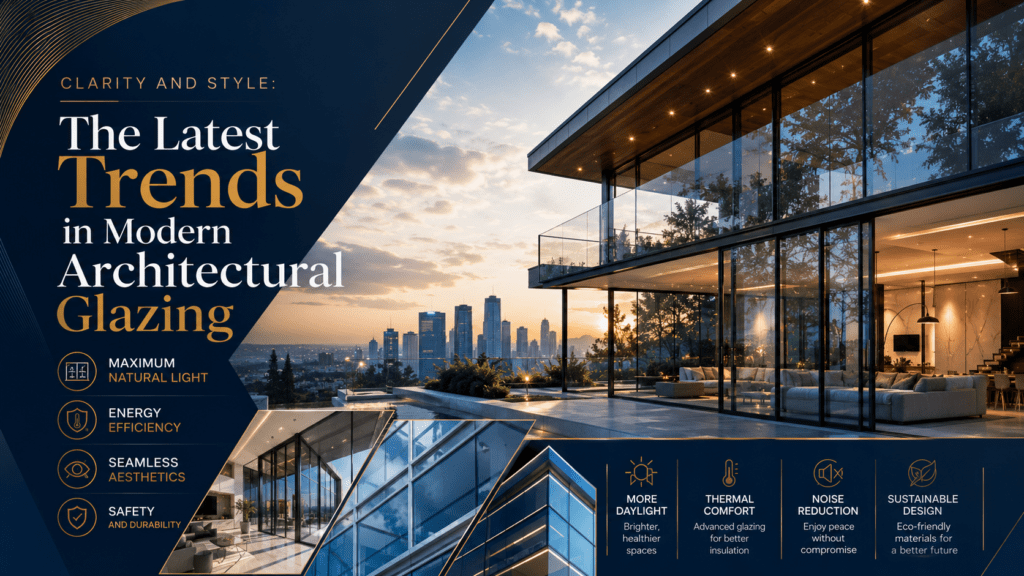
Architecture continues to evolve as homeowners, businesses, and designers look for ways to create spaces that are visually impressive, energy efficient, and built for long-term performance. One of the biggest transformations in modern construction is the growing use of architectural glazing solutions.
Glass is no longer just a functional building material used for windows. Today, it plays a major role in defining the identity of buildings, improving natural lighting, increasing energy efficiency, and creating seamless connections between indoor and outdoor spaces.
From sleek commercial buildings to contemporary residential properties, modern architectural glazing has become an essential element in creating spaces that combine clarity, comfort, and style.
In this guide, we explore the latest trends in architectural glazing and how innovative glass solutions are shaping the future of building design.
What Is Architectural Glazing?
Architectural glazing refers to the use of glass systems designed for buildings, including windows, curtain walls, glass facades, doors, and other structural glass applications.
Unlike traditional glass installations, modern glazing systems are engineered to provide:
- Improved energy efficiency
- Enhanced natural lighting
- Better thermal performance
- Increased durability
- Modern aesthetic appeal
- Improved building functionality
Professional glazing contractors combine advanced materials, technology, and installation techniques to create glass solutions that meet both design and performance requirements.
Why Modern Buildings Are Choosing Architectural Glazing
The popularity of architectural glazing continues to grow because it offers benefits beyond appearance.
1. Creating Bright and Open Spaces
Natural light has become a major focus in modern architecture. Large glass surfaces allow more daylight to enter buildings, creating spaces that feel:
- Larger
- More welcoming
- More connected to nature
- More comfortable
Well-designed glazing solutions help reduce dependence on artificial lighting while improving the overall atmosphere of a space.
2. Energy-Efficient Glass Technology
One of the biggest trends in modern glazing is the focus on energy performance.
Advanced glass technologies include:
- Low-emissivity (Low-E) coatings
- Insulated glass units
- Solar control glass
- High-performance glazing systems
These solutions help regulate indoor temperatures, reduce energy consumption, and improve occupant comfort throughout the year.
Latest Trends in Modern Architectural Glazing
1. Minimalist Glass Facades
Modern architecture is embracing clean lines and simple designs. Minimalist glass facades create a sophisticated appearance while maximizing transparency and natural light.
These systems are commonly used in:
- Office buildings
- Luxury residences
- Retail spaces
- Hospitality projects
The result is a timeless design that combines elegance with functionality.
2. Advanced Curtain Wall Systems
Curtain wall systems have become a defining feature of contemporary commercial architecture.
These lightweight exterior systems provide:
- Weather protection
- Structural flexibility
- Improved insulation
- Modern visual appeal
Curtain walls allow architects to create impressive glass exteriors without compromising building performance.
3. Smart Glass Technology
Smart glass is changing how buildings interact with their environment.
This innovative technology allows glass surfaces to adjust transparency based on:
- Sunlight exposure
- Privacy requirements
- Temperature conditions
Smart glazing helps improve comfort while supporting energy-efficient building designs.
4. Floor-to-Ceiling Glass Installations
Large glass openings continue to gain popularity in residential and commercial projects.
Floor-to-ceiling glazing provides:
- Expansive views
- Increased daylight
- Modern aesthetics
- A stronger connection with outdoor environments
This trend is especially popular in luxury homes, offices, and hospitality spaces.
5. Sustainable and Environmentally Friendly Glazing
Sustainability has become a priority in modern construction. Architects and developers are choosing glazing systems that support green building goals.
Sustainable glazing solutions help:
- Reduce energy usage
- Improve insulation
- Lower environmental impact
- Increase building efficiency
Modern glass technology allows designers to achieve beautiful designs while maintaining environmental responsibility.
The Role of Professional Glazing Installation
Even the most advanced glazing system requires expert installation to perform correctly.
Professional glazing specialists ensure:
- Accurate measurements
- Proper sealing
- Weather protection
- Structural safety
- Long-term durability
Poor installation can lead to issues such as leaks, drafts, condensation, and reduced performance.
Working with experienced glazing professionals ensures your investment delivers both beauty and reliability.
Architectural Glazing Applications
Modern glazing solutions are used across various types of projects:
Residential Properties
- Custom windows
- Glass doors
- Modern home extensions
- Patio and outdoor living spaces
Commercial Buildings
- Curtain walls
- Storefront glazing
- Office partitions
- Glass entrances
Hospitality Projects
- Hotels
- Restaurants
- Luxury developments
- Entertainment spaces
Choosing the Right Architectural Glazing Solution
Every building has unique requirements. The right glazing system depends on:
Design Goals
The glass should complement the overall architectural style.
Performance Needs
Consider insulation, sunlight control, and durability requirements.
Building Location
Climate conditions influence the ideal glazing solution.
Professional Expertise
Experienced glazing contractors help select and install systems that deliver lasting value.
The Future of Architectural Glazing
The future of glazing will continue moving toward smarter, more sustainable, and more adaptable solutions.
Future innovations will focus on:
- Improved energy efficiency
- Automated glass technologies
- Sustainable materials
- Advanced building integration
As architecture continues to evolve, glass will remain one of the most important materials for creating modern, functional, and visually stunning spaces.
Bring Modern Glass Design to Your Project
Architectural glazing has transformed the way buildings look, feel, and perform. Whether you are designing a new commercial property or upgrading a residential space, the right glazing solution can enhance beauty, efficiency, and long-term value.
Partnering with experienced glazing professionals ensures your project receives high-quality installation and innovative solutions designed for the future.
Ready to upgrade your space with modern architectural glazing? Contact our team today to explore customized glass solutions for your project.
FAQ Section (SEO Schema Ready)
1. What is modern architectural glazing?
Modern architectural glazing refers to advanced glass systems used in buildings to improve appearance, natural lighting, energy efficiency, and performance.
2. What are the benefits of architectural glazing?
Architectural glazing improves aesthetics, increases daylight, enhances energy efficiency, and provides modern design flexibility.
3. Are glass facades energy efficient?
Yes. Modern glass facades use advanced technologies such as Low-E coatings and insulated glazing systems to improve thermal performance.
4. What is a curtain wall system?
A curtain wall is a lightweight exterior glass system designed to protect buildings from weather while creating a modern appearance.
5. Why is professional glazing installation important?
Expert installation ensures proper performance, durability, weather resistance, and long-term reliability.